
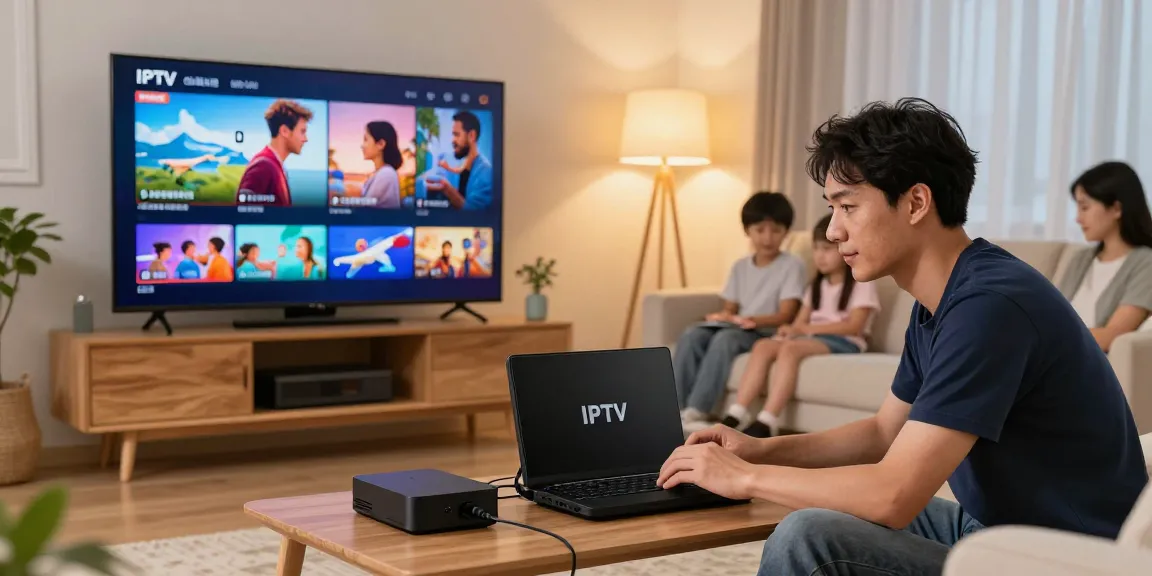
As the world continues to embrace the digital revolution, the way we consume television is undergoing a significant transformation. Internet Protocol Television (IPTV) services have emerged as a game changer, allowing users to stream their favourite content directly over the internet, providing unparalleled flexibility and accessibility. However, with an overwhelming array of options in the market, it is essential for users to navigate carefully to find a trusted provider that meets their needs. In this comprehensive guide, we will explore everything homeowners and consumers should know about IPTV services in 2026, covering the technology behind it, how to choose the right provider, and what to expect regarding pricing and legality in the UK.
Understanding IPTV Services: What It Is and How It Works
IPTV stands for Internet Protocol Television, which refers to a method of delivering television programming and video content over the internet rather than through traditional cable or satellite systems. With IPTV services, users can access a vast array of channels and on-demand content in high-definition or even 4K resolution. As millions seek to replace their costly cable packages, reliable IPTV Services have become essential for enhanced viewing experiences.
The Basics of IPTV Technology
At its core, IPTV uses a dedicated network to deliver content directly to viewers, allowing for smoother and more reliable streaming. The technology works by converting standard television signals into data packets that are streamed to users via their internet connection. This means that users can enjoy seamless viewing without the interruptions that often plague traditional TV services.
Comparing IPTV with Traditional Cable Services
Unlike cable services, which deliver a fixed selection of channels and content, IPTV offers a more dynamic viewing experience. Users can select from numerous channels, often including international content, sports, and comprehensive on-demand libraries. Additionally, with IPTV, viewers can enjoy features such as catch-up TV, allowing them to watch missed shows at their convenience.
Benefits of Switching to IPTV Services in 2026
The surge in IPTV adoption can be attributed to several compelling advantages. These include lower costs compared to traditional cable packages and greater flexibility in viewing options. With the ability to stream on various devices including smart TVs, tablets, and smartphones, viewers can create a customised entertainment environment that fits their lifestyle.
Choosing the Right IPTV Provider
With numerous IPTV providers in the market, selecting one that meets your needs can be challenging. A trustworthy provider will maintain licensing agreements for the content they offer, ensuring that you receive not only quality channels but also peace of mind regarding legality.
What to Look for in a Trusted IPTV Service
When evaluating IPTV providers, look for the following attributes:
- Content Variety: Ensure the provider offers a wide range of channels that interest you, including local and international content.
- Reliability: Choose a provider known for stable streaming and minimal downtime.
- Customer Support: A reliable support system, such as a responsive help desk, is crucial for resolving issues swiftly.
- Pricing Transparency: Verify that the provider offers straightforward pricing without hidden fees.
Evaluating Provider Reviews and Customer Feedback
Before committing to an IPTV service, take the time to read customer reviews and testimonials. Reliable providers will have a track record of positive feedback from their clients, indicating that they deliver on their promises and support their customers effectively.
Common Mistakes to Avoid When Selecting IPTV Services
Avoid falling into these traps when choosing an IPTV service:
- Ignoring Reviews: Not checking customer feedback can lead to choosing a provider that does not meet your expectations.
- Overlooking Legalities: Failing to confirm a provider’s licensing agreements may lead to legal issues down the line.
- Being Lured by Low Prices: While cost is important, the cheapest option may offer poor service, which can be frustrating.
Pricing and Subscription Plans for IPTV Services
Understanding how IPTV services are priced is crucial for making an informed decision. IPTV providers typically offer several subscription plans to meet varying needs and budgets, catering to everyone from casual viewers to avid binge-watchers.
Understanding Different IPTV Service Pricing Models
Most IPTV services feature tiered pricing models that may include:
- Monthly Subscriptions: Ideal for casual viewers, allowing for flexibility without long-term commitments.
- Annual Plans: Usually offering substantial savings compared to monthly payments.
- Pay-per-view Options: For those who want to pay only for specific events or shows.
Cost Breakdown of Popular Local IPTV Services
Understanding the average costs can help you make the Best decision. Here’s an estimated cost breakdown of popular IPTV services:
| Provider | Monthly Cost | Yearly Cost |
|---|---|---|
| Provider A | £20 | £200 |
| Provider B | £25 | £250 |
| Provider C | £15 | £150 |
Assessing Value: What to Expect from Your IPTV Subscription
When evaluating the value of an IPTV subscription, consider the breadth of content available, streaming quality, and additional features such as DVR capabilities, multi-device support, and customer service responsiveness. Don’t hesitate to ask your provider for a trial period to assess whether their service meets your needs.
Legal Considerations: Are IPTV Services Legal in the UK?
Navigating the legality of IPTV can be daunting, but understanding the regulations is key to ensuring compliance and peace of mind. In the UK, IPTV itself is not illegal; it is a method of delivering content. However, the legality hinges on the licensing of the content being streamed.
Navigating Licensing Requirements for IPTV Providers
For an IPTV service to operate legally, it must have the appropriate licensing agreements for all the channels and content it distributes. Always verify that your chosen provider has secured the necessary licenses to avoid potential legal repercussions.
Understanding Local Regulations Affecting IPTV Services
In the UK, regulations set forth by Ofcom and the Digital Economy Act highlight the standards for content delivery. Providers must comply with these regulations to ensure they are legally distributing TV services.
Tips for Ensuring You’re Using a Legal IPTV Service
To ensure your IPTV service is legal, do the following:
- Research the provider’s licensing status.
- Look for transparent policies regarding content delivery.
- Read reviews to gauge other users’ experiences regarding legality.
Customer Testimonials: Real Experiences with IPTV Services
Customer testimonials often provide invaluable insights into what one can expect from an IPTV provider. Reading about real experiences can guide potential subscribers toward making informed choices.
Case Studies from Local Families and Businesses
For many families, switching to IPTV services has enhanced their viewing experiences significantly. Local businesses have also adopted IPTV for digital signage and customer entertainment, resulting in increased satisfaction and engagement.
Building Community Trust Through Quality Support
Providers known for exceptional customer support foster community trust. A responsive help desk that addresses issues promptly can create loyal subscribers who advocate for the service.
Sharing Your IPTV Experiences: The Importance of Feedback
Encouraging customers to share their experiences creates a more transparent and informed community. It is essential for potential subscribers to engage in discussions on platforms where reviews and feedback can be exchanged.


