
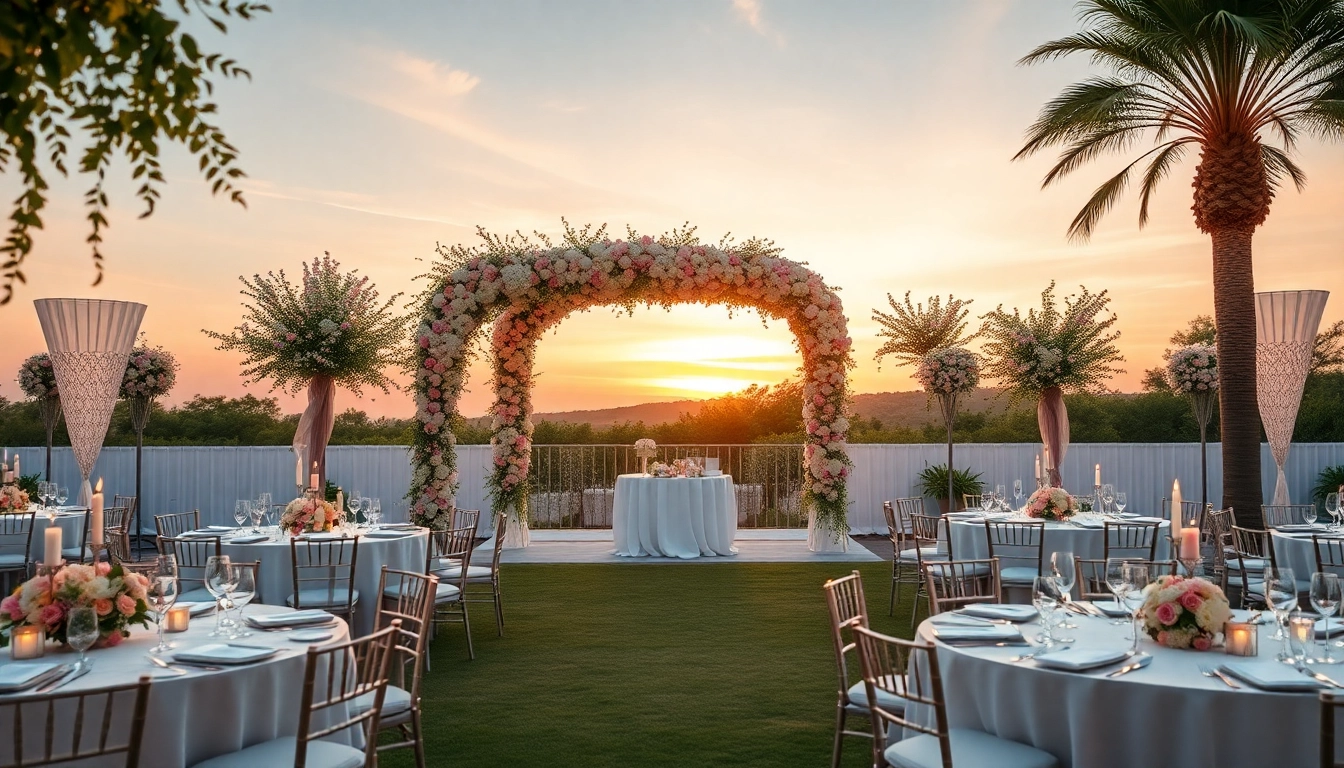
Understanding Your Event Type
Organizing an event begins with a clear understanding of its type and purpose. Different events—whether corporate gatherings, weddings, or social celebrations—demand distinct approaches. By recognizing the specific requirements and expectations of each event type, planners can create tailored, memorable experiences for attendees. For insight into event planning services, explore https://www.casablancahire.co.uk/ to inspire your journey.
Corporate vs. Social Events
Corporate events are structured around business objectives, including meetings, conferences, and team-building exercises. These events usually have formal agendas, and the focus is on networking and achieving specific outcomes. On the other hand, social events target personal celebrations such as birthdays, anniversaries, or holidays. The atmosphere tends to be more relaxed and fun-oriented, fostering interaction among family and friends.
Formal Events and Their Requirements
Formal events necessitate adherence to specific protocols and etiquette. This can include dress codes, seating arrangements, and structured timelines. Events like weddings, gala dinners, and award ceremonies typically fall into this category. Understanding these requirements is critical to planning an event that meets the expected standards and satisfies guests.
Catering to Audience Expectations
Each audience has unique expectations based on the event type. Understanding who will attend helps tailor the event accordingly. Corporate attendees may prioritize networking opportunities and professional development, while social event guests typically seek enjoyment and entertainment. Conducting surveys or focus groups prior to the event can provide valuable insights into attendee preferences.
Essential Planning Steps
Planning an event can be daunting, but breaking it down into essential steps paves the way for success. From creating checklists to managing budgets, these steps can help streamline the process and ensure nothing is overlooked.
Creating a Comprehensive Checklist
A detailed checklist is fundamental in event planning. This tool helps track all aspects of the event, ensuring each item is addressed. Important elements to include are venue selection, catering, entertainment, invitations, and logistics. Regularly reviewing and updating the checklist as planning progresses can help keep the event on schedule.
Budgeting for Your Event
Establishing a clear budget is crucial to avoid overspending. Identify all potential costs—venue rental, catering, decor, entertainment, and promotional materials. It’s advisable to include a contingency fund for unexpected expenses. Additionally, comparing quotes from suppliers can yield better pricing and value.
Choosing the Right Venue
The venue sets the stage for the event and should reflect its theme and tone. Factors to consider include capacity, location, accessibility, facilities, and ambiance. Visiting potential venues can help assess which option best aligns with the envisioned event. Be sure to check availability well in advance to secure the preferred venue.
Decor and Atmosphere
Creating the right atmosphere through decor is key to enhancing the guest experience. Various elements contribute to the overall feel of an event, and attention to detail is paramount in engaging attendees.
Color Schemes and Themes
Choosing a cohesive color scheme and theme establishes a unified look and improves guest engagement. Key considerations include the event’s nature and season. For social gatherings, colors can be vibrant and lively, while corporate events may benefit from more muted, sophisticated palettes. Incorporating thematic elements enhances the visual appeal and memorability of the event.
Choosing Lighting for the Right Mood
Lighting significantly affects the atmosphere of an event. Bright, even lighting may facilitate networking at corporate functions, while soft, ambient lighting fosters intimacy at weddings. Strategic use of colored lighting or projections can also tie into the event’s theme, creating an immersive experience that resonates with guests.
Floral Arrangements and Centerpieces
Floral arrangements and centerpieces are essential decor elements that convey the event’s tone. Choose flowers that complement the color scheme and create arrangements that enhance table settings. Consider hiring a professional florist to ensure the designs are elegant, cohesive, and suited to the event’s atmosphere.
Engaging Your Guests
Engagement is crucial to a successful event. Crafting meaningful interactions and experiences creates lasting memories and fosters connections among attendees.
Interactive Activities and Entertainment
Incorporating interactive activities can significantly enhance guest engagement. Options may include games, photo booths, or live demonstrations, fostering participation and lively interactions among attendees. Entertainment selection should also align with the event’s purpose—consider keynote speakers, musicians, or performers suitable for the audience and context.
Personalization Options for Events
Personalizing the event experience can leave a lasting impression. Tailoring elements such as guest gifts, signage, and event programs adds a thoughtful touch that shows consideration for attendees. This can enhance the overall event experience and ensure guests feel valued.
Create Memorable Experiences
Ultimately, the goal of any event is to create memorable experiences. Consider ways to evoke emotions, be it through storytelling, heartfelt speeches, or unique activities. Encouraging attendee participation and facilitating connections among guests can make the event unforgettable.
Post-Event Follow-Up
The conclusion of an event doesn’t signify the end of the engagement; rather, it presents opportunities for reflection and connection. Post-event follow-ups are vital for assessing the event’s success and maintaining relationships with attendees.
Gathering Feedback for Improvement
Collecting feedback after the event is crucial for continuous improvement. Surveys or feedback forms can glean insights into what worked well and areas needing enhancement. Analyze responses to inform planning for future events, ensuring they cater to attendee preferences effectively.
Thank You Notes and Acknowledgments
Following up with attendees through thank-you notes or emails demonstrates appreciation for their participation. Acknowledging contributions from sponsors, vendors, and volunteers helps strengthen relationships and fosters goodwill for future collaborations. Be sure to personalize these communications to reflect the value of each participant’s role in the event.
Analyzing Event Success Metrics
Measuring the success of an event entails analyzing various metrics, including attendance rates, audience engagement, and feedback scores. Establishing clear objectives prior to the event enables targeted evaluations post-event. Use insights gained to refine future planning strategies and ensure the successful execution of upcoming events.
FAQs
What is the first step in planning an event?
The first step in planning an event is to define its purpose and objectives clearly. This will guide decision-making throughout the planning process.
How can I keep guests engaged during the event?
Engage guests by including interactive activities, entertainment, and opportunities for networking. Customizing experiences increases participation and enjoyment.
What factors should I consider when choosing a venue?
Key factors when selecting a venue include location, capacity, amenities, parking availability, and the venue’s atmosphere and suitability to your event theme.
How important is feedback after the event?
Feedback is crucial as it highlights successes and improvement areas for future events. It helps planners understand attendee preferences and expectations.
What is the best way to personalize an event?
Personalize events by tailoring elements such as décor, gifts, and experiences to reflect the guest’s interests and the event’s theme, thus fostering a memorable experience.

