Understanding the Significance of My Response
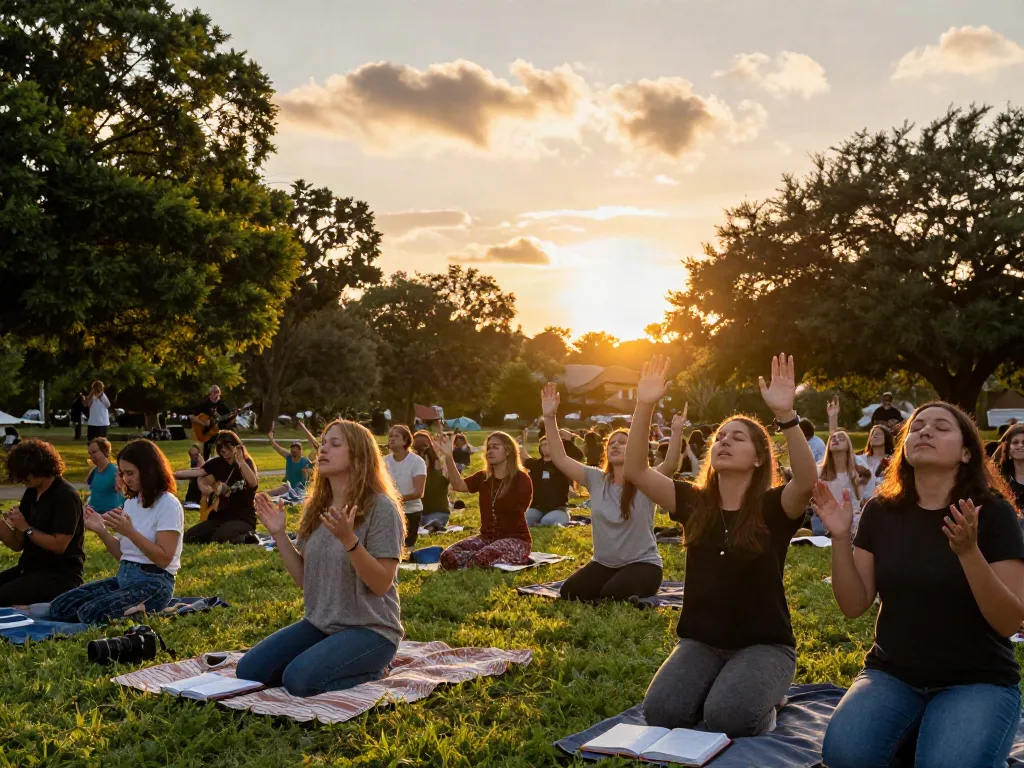
In the context of worship, the phrase "my response" encapsulates the personal and communal manifestations of faith that resonate deeply within individuals. This concept is not just about the spontaneous vocalizations of praise but also encompasses the array of emotions, thoughts, and actions that arise as individuals engage in religious practices. As we explore various dimensions of this theme, it’s essential to recognize the profound influence that personal responses can have on both individual worshippers and the broader church community. When exploring options, my response provides comprehensive insights into how these interactions matter in fostering spiritual growth and community bonds.
What Does 'My Response' Mean in Worship?
'My response' signifies the diverse ways individuals express their faith during worship. This can take many forms, from singing, lifting hands, kneeling, to even the silent contemplation that embodies surrender or gratitude. Each expression serves as a reflection of an individual’s relationship with divinity and highlights their personal journey. Recognizing this diversity is crucial for fostering an inclusive worship environment where all feel free to express their unique responses to God.
The Emotional Impact of Personal Responses
Emotional engagement is pivotal in worship settings. Personal responses often stem from significant life experiences—whether joyous or challenging—that evoke feelings of gratitude, repentance, or longing for connection. For instance, someone who has recently experienced loss may find their worship response imbued with a deep sense of sorrow mixed with hope. This emotional spectrum enriches the worship experience and creates a powerful shared atmosphere where congregants can uplift and support one another.
How Responses Shape Community Worship Experiences
Responses in worship not only affect individuals but also shape the community dynamic. Collective engagement in worship fosters a sense of belonging and unity among congregants. When individuals share their responses, it encourages others to engage authentically, thereby creating an environment conducive to spiritual growth. The interplay of individual expressions contributes to a communal identity, enhancing the richness of the worship experience.
Challenges in Expressing My Response
Despite the profound significance of individual responses in worship, many face challenges that inhibit full expression. Understanding these challenges is the first step towards overcoming them, allowing for more authentic engagement with one’s faith.
Overcoming Fear and Self-Doubt
Fear of judgment and self-doubt are common barriers that prevent individuals from fully engaging in worship. Many worry about how their expressions will be perceived by others or may feel inadequate compared to more expressive members of their community. Recognizing these fears as natural is essential. Creating a culture of acceptance and encouragement can help alleviate these concerns, freeing individuals to respond genuinely.
Common Misconceptions about Worship Responses
Misconceptions surrounding worship responses can also impede expression. For instance, some may believe that only loud or visibly emotional responses are valid, dismissing quieter, more personal forms of worship as less impactful. Addressing these misconceptions is crucial; all expressions of faith, whether vocal or silent, are valid and valuable in the eyes of the divine.
Finding Your Unique Voice in Worship
Encouraging individuals to discover their unique voice in worship can transform their spiritual journeys. This involves recognizing that worship is not about conforming to communal expectations but rather about expressing one’s relationship with God authentically. Engaging in activities that foster personal reflection, such as journaling or meditation, can help individuals articulate their responses more clearly and comfortably.
Best Practices for Cultivating an Authentic My Response
To foster a rich worship experience, it is vital to develop practices that encourage authentic expressions of 'my response.' Here are several strategies that can help:
Incorporating Personal Experiences into Worship
Integrating personal life experiences into worship can create more profound connections to the act of worship. Sharing testimonies or life stories during services can encourage others to reflect on their journeys. This sharing can lead to collective healing and support within the community, reinforcing the importance of personal experience in worship practices.
Utilizing Music and Art to Express Your Response
Music and art serve as powerful vehicles for expression in worship. Individuals can engage in songwriting, painting, or other creative outlets to articulate their feelings and responses to their faith. Many worship services incorporate visuals and music, enhancing the overall experience and allowing for varied forms of worship that resonate with different individuals.
Creating a Safe Environment for Authentic Worship
Finally, cultivating a safe space in worship settings is crucial for encouraging authentic responses. This can involve leadership actively promoting inclusivity, ensuring that all expressions—whether loud and exuberant or quiet and contemplative—are welcomed and celebrated. Communities that prioritize emotional safety can foster deeper connections and more genuine expressions of faith.
Real-World Applications of My Response in Worship
Understanding how 'my response' manifests in real-world worship settings can provide valuable insights into enhancing worship experiences. Here are some practical applications:
Case Studies of Transformative Worship Experiences
Examining case studies of churches that have successfully integrated personal expressions into their worship can offer valuable lessons. For instance, a church that introduced testimony-sharing segments during services reported a notable increase in congregant engagement and emotional connection. These real-world examples showcase the tangible benefits of encouraging individual responses in worship.
Impact of Community Engagement on Individual Growth
Community engagement plays a significant role in individual spiritual growth. When congregants participate in outreach activities or group discussions, they often find more profound connections to their faith and each other. These interactions encourage individuals to express their responses more freely, leading to a more dynamic and enriched worship experience.
Using Social Media to Share Your My Response
In the digital age, social media serves as a platform for sharing personal worship experiences. By posting about their responses and experiences, individuals can inspire others and create a sense of community beyond the physical church walls. This sharing can lead to virtual support networks and increased engagement in worship practices.
Future Trends in Worship and Expression by 2026
As we look ahead to 2026, several trends are likely to shape the future of worship and the expression of 'my response.'
Emerging Technologies in Worship Spaces
The integration of technology in worship is set to expand, offering new avenues for expression. Virtual and augmented reality experiences could allow congregants to engage in immersive worship environments, enhancing emotional connections to their responses. These technologies may facilitate new forms of creativity within worship settings.
The Role of Online Communities in Spiritual Growth
Online communities will continue to play an integral role in spiritual development. As more people seek connection through digital platforms, these communities can provide support and shared experiences that enrich personal worship journeys. Engaging with online resources, such as forums or social media groups, can enhance understanding and expression of individual worship responses.
Predictions for the Evolution of Worship Practices
As worship practices evolve, they are likely to become increasingly personalized. Expect to see greater diversity in worship styles, reflecting a broader range of cultural and individual expressions. This evolution will necessitate flexibility and openness within congregations to accommodate and celebrate differing responses, ensuring that all voices can be heard and valued.